
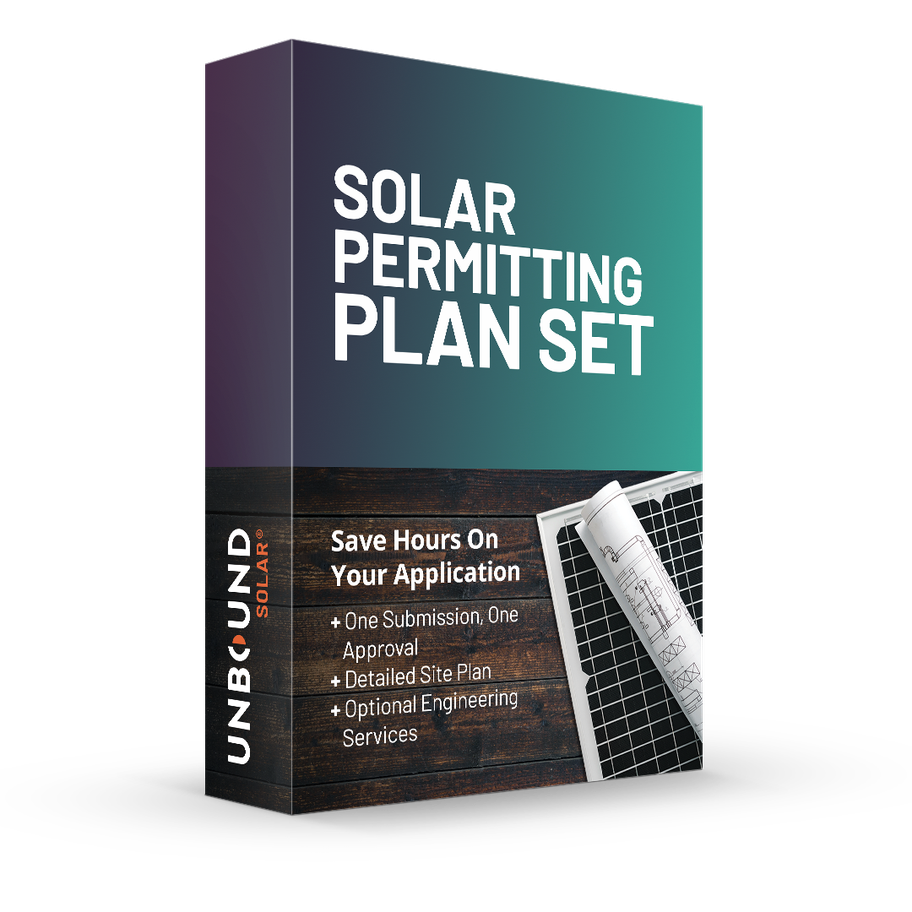
We get your solar project approved.
Going solar takes two approvals — a local permit and a utility interconnection. Our team prepares everything you need for both, starting with the permit-ready plan sets that sit at the heart of the whole process, and stays with you until your project is approved.
- Permit-ready plan sets
- Dedicated interconnection team
- Unlimited revisions
- Approved or your money back
Permitting and interconnection — we handle both.
Most solar projects stall because someone treated interconnection as an afterthought. We give both sides equal weight, so nothing falls through the cracks between your building department and your utility.
Everything you need to submit for approval
We provide everything required to file with your local building department — most importantly the plan sets, the single most important part of the process. We help throughout the permit process and make sure you have the materials your jurisdiction needs to approve your project.
- Permit-ready plan sets
- Stamped engineering where required
- Structural & electrical documentation
- Plan revisions until the permit is approved
- Support through inspection
A dedicated team that gets you connected
Interconnection is the step most services overlook — and the one that lets you actually turn your system on. A dedicated Unbound team prepares and submits your utility interconnection application and supports you through the entire process, all the way to permission to operate.
- Utility application prepared & submitted
- Single-line diagrams & utility-required docs
- Net metering / interconnection paperwork
- Revisions until interconnection is approved
- Follow-through to permission to operate (PTO)
Your plan set is what gets your project approved.
A permit is only as good as the plan set behind it. It is the document your building department reviews, your inspector checks against, and your electrician builds from. Get it right and the rest of the process moves; get it wrong and everything waits.
We build complete, code-compliant, permit-ready plan sets designed around your actual home and equipment — not a generic template — so you submit with confidence the first time. The whole point is to take the pain out of permitting: less paperwork, fewer headaches, and time saved so you get to install sooner.
What's in your plan set
- Cover pageAerial site photo, project notes, scope of work, and a full document index.
- Notes pageInstall notes covering equipment locations, wiring, conduit, grounding, interconnects, and disconnects.
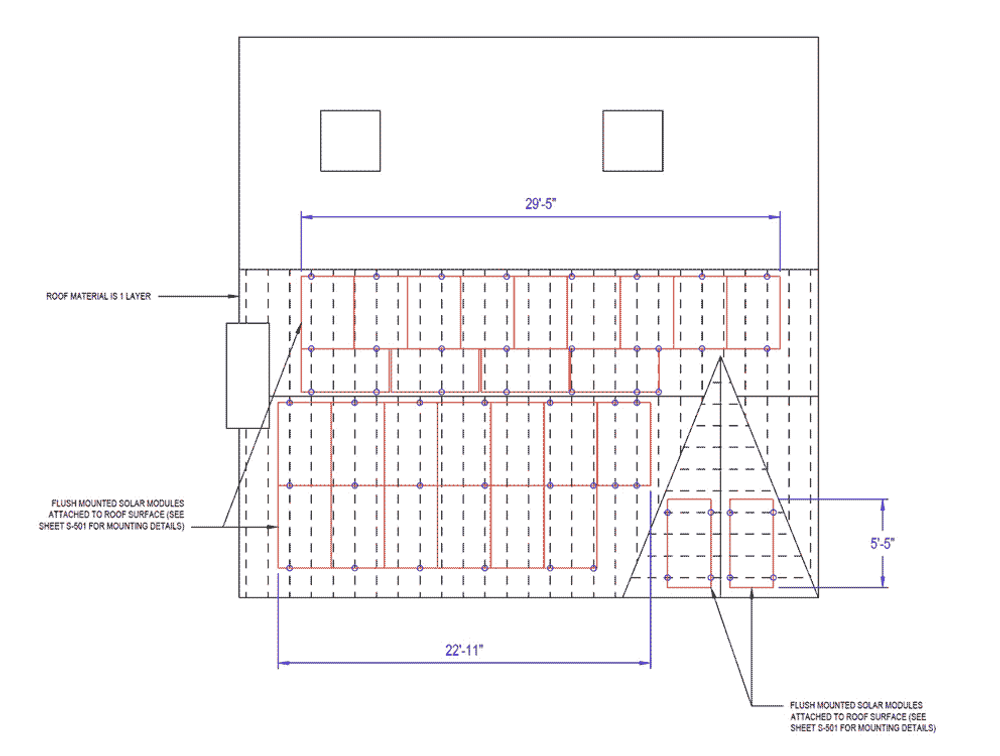
- Site & project planA scaled site plan with three-line diagram, orientation, property lines, and panel locations.
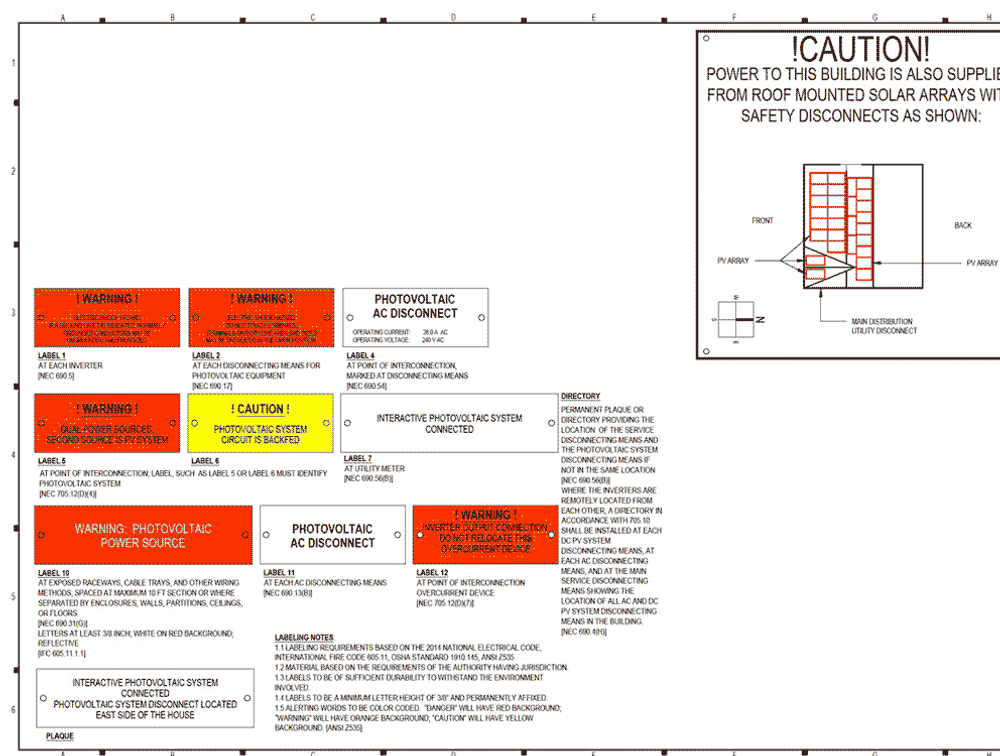
- Placard & label guideEvery required warning label and placard, the codes behind them, and where each one goes.
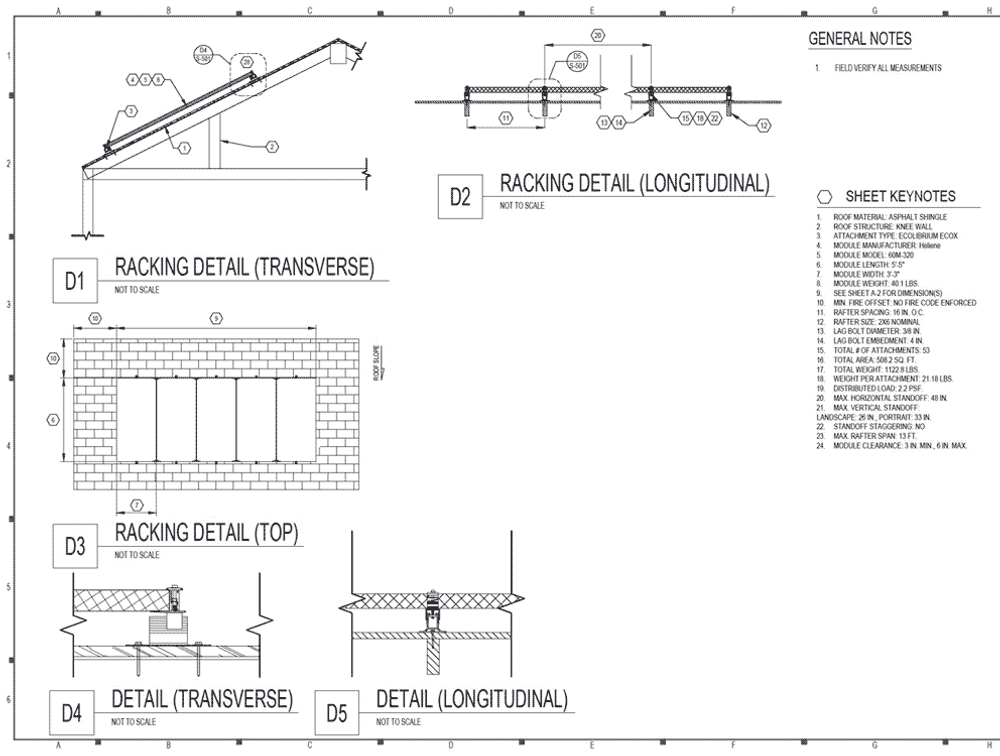
- Data sheets & rackingManufacturer datasheets for major components, plus a structural diagram with mounting methods, hardware, weights, and measurements.
- Engineering stamp (optional)If your jurisdiction requires one, we get your plan set electrically or structurally stamped in all 50 states for a nominal fee.
A plan set with Unbound is a complete project package.
When you do your plan set with us, you get far more than a stack of drawings. Because we engineer the system ourselves, we can support it — from permitting all the way through installation and the life of your system.
Permit-ready, engineered blueprints
Your system is engineered to best practices and designed correctly for permitting — a plan set built around your actual home and equipment, not a generic template.
A customized installation guide
Because we do your plan set, we build an install guide around your specific system. Created by our technicians with 15+ years in the field, it walks you through how everything goes together, step by step.
A local materials list
A clear list of the smaller items you'll pick up locally — breakers, conduit, and other hardware-store materials — with a plain explanation of how each one ties into your system.
Project management
Because we know the system was designed correctly and built to code, we coordinate and manage your project the whole way through — so nothing falls through the cracks.
Lifetime support
When a project is done the right way, we can confidently stand behind it — so you get ongoing support for the life of your system, from a team that knows exactly how it was built.
Ready to see your number?
To get started and see what your complete package would cost — including equipment, interconnection, permits, and full support — start with a free estimate.
Get a free estimateThis is what sets us apart from companies that mostly just sell parts. You're not only getting permit-ready blueprints — you're getting a properly designed system, guidance through every step of installation, and a team behind you for the long term.
From design to approved — step by step
One team, two approvals, all the way to permission to operate. Here is the path your project follows with Unbound.
Design & document
We turn your system into a complete, code-compliant design and build the permit-ready plan set your jurisdiction requires.
Submit for your permit
You get everything your local building department needs to review and approve the project — plans, engineering, and supporting documentation.
Apply for interconnection
Our dedicated interconnection team prepares and submits your utility application so your system can legally connect and turn on.
Revise until approved
If the city or the utility asks for changes, we handle the revisions — unlimited, at no extra cost — until both approvals come through.
Inspection & permission to operate
We support you through final inspection and the utility's permission to operate, so your project crosses the finish line.
Approved, or your money back.
We offer unlimited revisions until both your permit and your interconnection are approved. If we can't get your project approved, we'll refund your kit and your permitting service.
Unlimited revisions
We revise your plan sets and interconnection application as many times as it takes — no per-revision fees, no surprises.
Until both are approved
Not just the permit. We stay on it until your local permit and your utility interconnection are both signed off.
Or your money back
If we can't get your project approved, we refund both your kit and your permitting service. The risk is on us.
Permitting and interconnection aren't sold on their own — they're included in your complete solar kit, along with system design, project management, lifetime support, warranty assistance, and all the equipment you need to get installed. Run a free estimate to see what your full system would cost.
Common questions about permitting & interconnection
The questions homeowners ask most before building a complete solar kit — permitting and interconnection included.
A permit is approval from your local building department to install the system. Interconnection is approval from your utility to connect that system to the grid and turn it on. You need both — and we handle both. Many services only deliver the permit and leave the utility paperwork to you.
Everything you need to submit for approval: a complete, code-compliant, permit-ready plan set, stamped engineering where your jurisdiction requires it, and the supporting structural and electrical documentation. We also help throughout the permit process so you have the materials your building department needs to approve the project.
The plan set is the single most important part of the process. It's the document your building department reviews, your inspector checks against, and your electrician builds from. We design yours around your actual home and equipment so it holds up to review the first time.
We have a dedicated team that prepares and submits your interconnection application and supports you through the entire process — including single-line diagrams, net metering paperwork, and any utility-required documents — all the way to permission to operate.
We revise. Unlimited revisions are included for both the permit and the interconnection until both are approved — there are no per-revision fees.
If we're unable to get your project approved, we guarantee a refund on both your kit and your permitting service. The risk is on us, not you.
For most installs, yes — the final electrical connection and any work that requires a licensed professional are your responsibility. We'll tell you where that professional support is needed, but you source and hire the electrician.
Yes. Permits are typically required to connect your solar system to the utility, and they also help ensure your system is safe, reliable, and built with the proper equipment. Skipping permits can create issues later, especially if there is an inspection, insurance claim, or safety concern. A permitted system helps confirm that the equipment is code compliant, properly specified, and UL listed.
Even when permits are not required for an off-grid system, they are still a good idea. Permitting helps verify that your equipment and installation plan meet local requirements, use appropriate components, and are designed safely. It can also help protect you if you ever sell the property, expand the system, or need to document the installation.
Your inverter converts the DC power from your panels into the AC power your home and the utility grid use, so it's central to both permitting and interconnection. Your plan set specifies the inverter, its rating, and how it ties into your main electrical panel, while the single-line diagram we prepare for your utility shows exactly how it connects to the grid. Getting these details right up front is what keeps both approvals moving smoothly.
Usually, no. Batteries are not automatically required just because you are permitting a solar system. Requirements can vary based on your location, utility, project type, and whether you are installing backup power. We can help design the system around your goals and make sure the permit documents reflect the right setup.
It is included as part of your complete solar kit package. The value of professional design, permitting support, and interconnection assistance far exceeds the cost when you are doing the project properly and want a system that can be supported long after installation.
The exact cost depends on the complexity of your system, including factors like batteries, electrical upgrades, and local requirements. Our permitting and design services are built into the total cost of the kit rather than sold separately.
Get a free solar estimate to see what your complete package would cost, including the equipment, design, permitting support, interconnection assistance, project management, and lifetime support.
Title 24 is part of California's building code and may apply when solar is installed as part of a new construction project, major renovation, or building permit process. In many cases, permits are required before construction can move forward. We help California customers understand what is needed and provide the plan sets and documentation required for their project.
In most of Texas, yes — solar installations require a permit from your city or county, and your utility will have its own interconnection requirements before you can turn the system on. The specifics vary widely between jurisdictions and providers, so we build your plan set and paperwork to match the requirements where you live.
Yes. Florida requires building and electrical permits for solar, and because of the state's wind-load and hurricane code requirements, your structural documentation matters even more. We design your plan set to meet Florida's wind-load standards and prepare the interconnection paperwork your utility requires.